Upgrade Your Outdoor Space With Attractive and Sturdy Polycarbonate Awnings
Transforming an outdoor space can substantially improve its functionality and aesthetic appeal. Polycarbonate awnings provide a stylish solution that combines longevity with usefulness. These structures not only deliver essential shelter but also allow natural light to flood the area. Their resistance to harsh weather conditions makes them a low-maintenance option for homeowners. Investigating the various benefits and design possibilities of polycarbonate awnings reveals how they can transform any exterior locale. What features make them stand out?
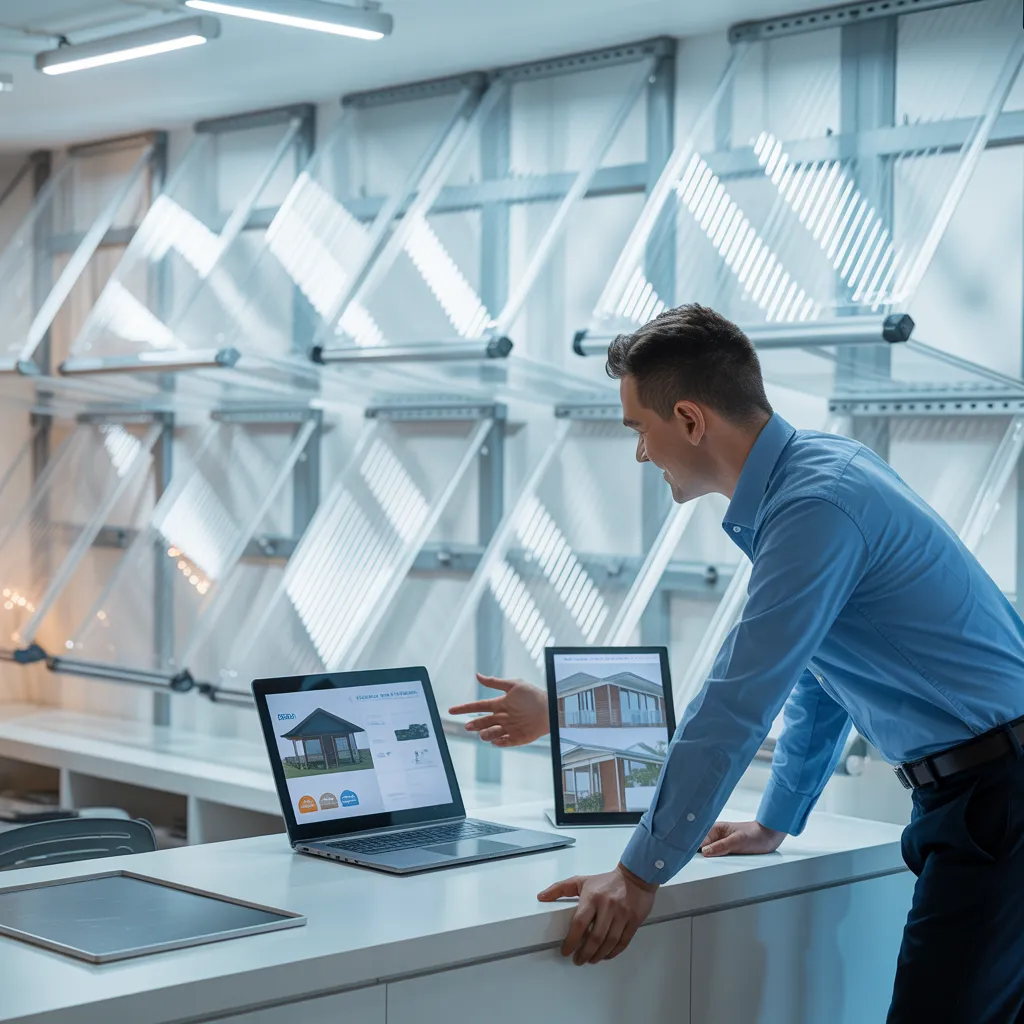
The Advantages of Polycarbonate Awnings
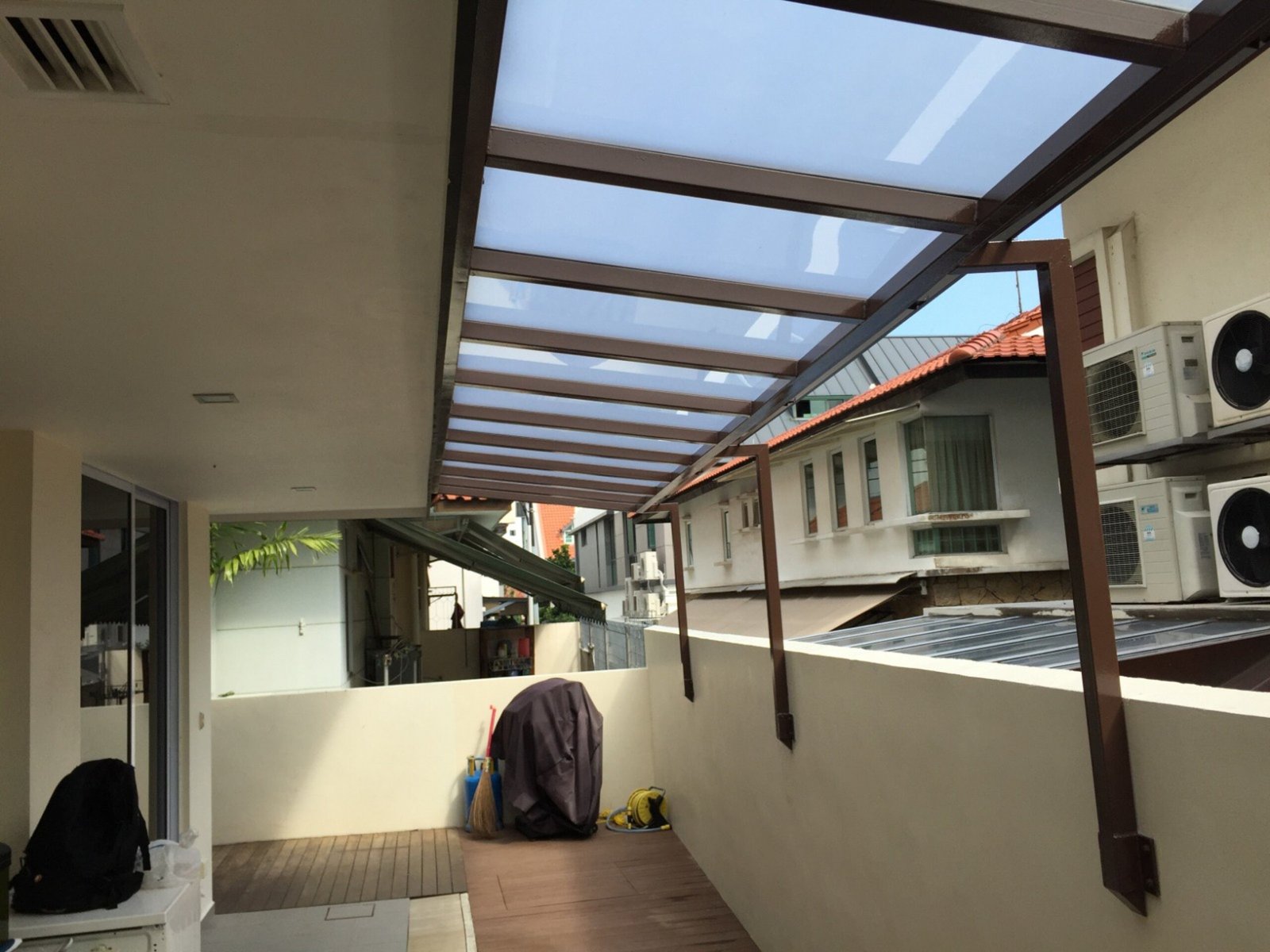
Polycarbonate awnings present a collection of advantages that enhance both practicality and aesthetics. Known for their durability, these awnings handle difficult weather conditions, including heavy rain and UV exposure, without fading or cracking. This fortitude makes them a enduring investment for outdoor spaces. In addition, polycarbonate materials are lightweight yet powerful, allowing for various design options that can complement any architectural style.
The transparency of polycarbonate allows natural light to pass through while offering shelter from the elements. This feature produces a luminous, inviting atmosphere in outdoor areas. Moreover, polycarbonate awnings are low maintenance, needing minimal care to keep them looking new. Their flexibility allows them to be used in residential, commercial, or recreational settings. Overall, polycarbonate awnings blend practicality and style, making them an excellent choice for improving outdoor environments while delivering reliable protection.
Comparing Polycarbonate Awnings to Other Materials
When considering outdoor awning solutions, polycarbonate distinguishes itself compared to classic materials like wood, fabric, and metal. Unlike wood, which can warp or rot, polycarbonate delivers outstanding durability and resistance to weather conditions. Its lightweight nature facilitates installation, while wood often needs additional structural support.
Fabric awnings, though aesthetically pleasing, can fade over time and call for regular upkeep to stave off mold and mildew. Polycarbonate, conversely, is UV-resistant and requires minimal maintenance, preserving its clarity and color for years.
Metal awnings, although durable, may lack the design versatility that polycarbonate offers. The latter can be produced in various shapes and styles, enabling for a more customized method to outdoor aesthetics. Ultimately, polycarbonate emerges as a sensible choice, merging durability and aesthetic appeal, making it an perfect solution for improving outdoor spaces.
Evaluating the Cost of Polycarbonate Canopies?
Understanding the cost of polycarbonate awnings entails considering various factors that determine pricing. Key aspects feature the dimensions of the awning, the depth of the polycarbonate panels, and the difficulty of the design. Larger awnings generally incur higher costs due to substantial material requirements and fitting challenges. Additionally, thicker panels may offer improved durability and insulation, thereby affecting the overall price.
The type of frame and structural system also has a major impact in expenses. Custom designs, while visually attractive, can additionally increase costs versus standard choices. Installation fees, which vary based on regional labor rates and the complexity of the project, should also be factored in.
To summarize, expected maintenance costs, though minimal for polycarbonate, should be considered. Evaluating these factors allows homeowners in making informed decisions about their investment in robust and stylish outdoor choices.
Instructions for setting up Polycarbonate Awnings in step-by-step fashion with a full walkthrough
Mounting polycarbonate awnings demands meticulous groundwork and the right tools. This guide lays out required supplies and planning steps, guaranteeing a smooth installation process. By following these steps, homeowners can achieve a refined and practical addition to their outdoor space.
Required Equipment And Supplies
Installing polycarbonate awnings requires a specific set of tools and materials to guarantee a smooth and efficient process. Necessary equipment include a power drill, level, tape measure, and a cutting tool for precise cuts. Additionally, a ladder may be necessary for accessing elevated mounting locations. For materials, polycarbonate sheets, support brackets, and screws are vital. Weather-resistant sealants and adhesives guarantee longevity and defense from the elements. Safety equipment is likewise suggested for safe management during setup. Having all these tools and materials prepared beforehand can prevent delays and complications, making the installation process seamless and effective. Proper organization of tools will contribute to a more efficient workspace, enhancing overall productivity.
Preparation And Planning Approaches
Getting prepared and planning are required for a accomplished polycarbonate awning installation. First, the location must be assessed to guarantee excellent sunlight exposure and design appeal. Next, specifications should be taken to decide the right size of the awning, allowing for any structures or landscaping nearby. It is essential to check local building codes and obtain necessary permits, assuring compliance with regulations. Additionally, opting for the right attachment hardware and tools, based on the awning's weight and design, is key. A explicit plan should be prepared, outlining each step of the installation process. Finally, assembling all materials before starting will streamline the process and minimize delays, setting the stage for an efficient installation.
Installation Process Summary
Commence the assembly of polycarbonate awnings by thoroughly examining the blueprint and materials. Afterward, collect necessary tools, such as a drill, level, and measuring tape. Identify the installation area on the wall or structure, making sure it aligns with the plan. Subsequently, position the mounting brackets securely, checking for proper alignment. Once the supports are in place, gently place the plastic panels. Fasten them with screws, ensuring a tight seal to avoid leaks. It's essential to leave appropriate expansion gaps for thermal changes. Once fastened, add any additional trim or flashing to improve appearance and durability. Ultimately, perform a thorough inspection to confirm stability and finished state, making certain the awning is ready for application.
Design Ideas for Your Backyard Area
Studying design ideas for exterior environments reveals that colors and visual designs serve as an essential element in boosting appearance. In addition, practical spatial planning guarantee the space remains not only visually appealing yet also useful for routine activities. In combination, these elements establish a unified atmosphere that complements refined polycarbonate awnings.
Color Systems and Patterns
While picking color schemes and patterns for polycarbonate awnings, homeowners should consider how these options can enhance their outdoor space. A properly selected color can establish a harmonious appearance that harmonizes with existing landscaping and architecture. Neutral tones, like beige or gray, provide versatility, while striking hues, such as deep blue or vibrant red, can create a bold impression. Designs, such as stripes or geometric designs, add visual interest, enabling homeowners to express their personal style. It's essential to take into account the overall theme of the outdoor area; for instance, coastal themes may benefit from lighter hues and soft patterns, whereas modern spaces can adopt darker shades and sleek designs. Ultimately, the perfect mix can convert an outdoor area into a stylish retreat.
Functional Design Strategy
A meticulously planned layout can greatly improve the practicality of outdoor spaces featuring stylish polycarbonate awnings. To increase usability, it is vital to establish distinct zones, including dining, lounging, and gardening areas. Setting furniture under the awning offers protection from the elements while assuring comfort. Creating pathways aids movement between zones, improving accessibility. Additionally, employing modular furniture provides flexibility, allowing for adjustments based on gatherings or seasonal variations. Incorporating greenery, such as potted plants or vertical gardens, can bring a vibrant atmosphere while enhancing air quality. Finally, implementing lighting options ensures the space remains pleasant after sunset, supporting year-round enjoyment. A well-considered layout transforms an outdoor area into a functional and aesthetically pleasing retreat.
Easy Maintenance Tips for Polycarbonate Awnings
Proper upkeep of polycarbonate awnings ensures their durability and aesthetic appeal. To keep these structures in prime shape, it is important to clean them consistently. A gentle solution of mild soap and water used with a soft cloth or sponge can effectively remove dirt and debris without damaging the surface. Avoid using harsh cleaners or tools that review may damage the material.
Inspecting the canopies regularly for signs of wear or damage is also necessary. Addressing any faults, such as cracks or loose fittings, promptly can prevent further degradation. Additionally, making sure that drainpipes and water runoff systems are clear helps prevent water buildup, which can lead to damage to the structure.
Finally, applying a sun protection coating specifically designed for polycarbonate can enhance durability and preserve transparency. By adhering to these basic care guidelines, homeowners can guarantee their polycarbonate awnings stay operational and visually appealing for years to come.
Elevating Your Backyard Pleasure Year-Round With Awnings
What methods can residents use to redesign their outdoor spaces into year-round retreats? Polycarbonate awnings present a effective solution, offering both style and functionality. These strong installations provide protected areas that defend against sun, rain, and snow, allowing homeowners to enjoy their patios and gardens irrespective of the weather.
Polycarbonate awnings can upgrade outdoor spaces by offering increased comfort and practicality. They supply shade during hot summer months, making al fresco dining or relaxation more appealing. In the cooler seasons, the awnings help retain warmth, creating inviting spaces for gatherings or quiet moments.
Also, the contemporary appearance of polycarbonate matches various architectural styles, ensuring that these awnings are not only practical but also aesthetically pleasing. Through proper installation, homeowners can significantly lengthen their outdoor living season, fostering a connection with nature all year long. Ultimately, polycarbonate awnings enhance the outdoor experience, making it a year-round sanctuary.
Top Asked Questions
Are Polycarbonate Awnings appropriate for severe climatic circumstances?
Polycarbonate awnings turn out to be well-adapted for challenging weather patterns. Their robustness and defense to UV rays, hail, and heavy rain make them a solid choice for defending outdoor spaces in various climates and environments.
Can Polycarbonate Awnings Be Painted or Customized?
Polycarbonate awnings can be customized or painted, though it's critical to use suitable paint and methods to guarantee durability and adhesion. Customization strengthens aesthetics while retaining the material's inherent strength and weather protection.
Which Colors Can You Obtain for Polycarbonate Awnings?
Polycarbonate awnings are available in multiple colors, including clear, bronze, and opal. These options allow for customization to match diverse aesthetics while supplying UV protection and maintaining durability for outdoor spaces.
How Long Do Polycarbonate Canopies Typically Last?
Polycarbonate awnings tend to last between 10 to 20 years, depending on factors such as climate, maintenance, and installation quality. Their resistance to impact and strength make them a favored choice for outdoor applications.
Do Polycarbonate Awnings Give UV Protection?
Polycarbonate awnings offer ultraviolet protection, preventing harmful ultraviolet rays while enabling natural light passage. Their robustness and environmental resilience make them a sensible choice for enhancing outdoor comfort and safety.